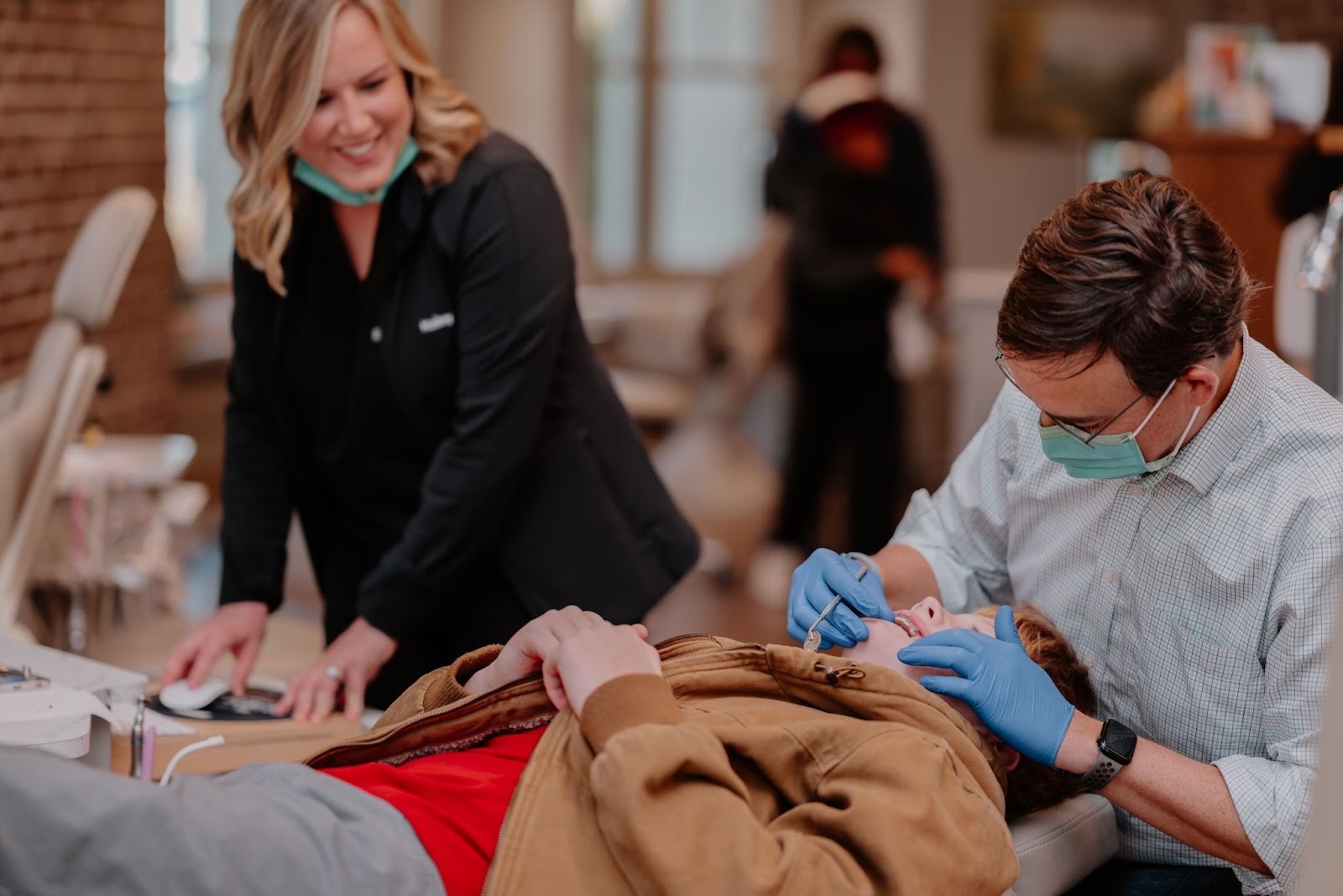
Sick days are never fun, and when you’re wearing braces, they can come with a few extra challenges. Soreness, sensitive teeth, or changes in your normal routine can make it harder to stay on top of your smile. At Durham Orthodontics, we want you to feel prepared no matter what life throws your way, which is why we put together a simple guide to help you manage your braces comfortably while you recover. A little know-how can make a big difference, even on your toughest days—so let’s walk through what to do when you’re feeling under the weather.
Why Sick Days Affect Braces Care
Feeling sick can throw your entire routine off balance, and clear or metal braces often amplify that disruption. When your body is run down, your mouth becomes more sensitive, your habits tend to shift, and foods that normally feel fine may suddenly worsen irritation. Even a short break in brushing, hydration, or eating patterns can make your brackets feel sharper or your gums more inflamed. This is why sick days require just a little extra attention. Taking a few simple steps keeps your braces comfortable and your treatment on track, even when everything else has slowed down.
How Being Sick Impacts Your Mouth
Illness affects more than your energy level. Dehydration from fever, medication, or not drinking enough water can reduce saliva, leaving your mouth dry and more prone to irritation. When saliva drops, food particles cling to brackets more easily, and acids remain on the teeth longer, which can heighten tenderness around wires and bands.
Nausea also plays a role. Acid exposure can increase sensitivity, especially around the gumline, making your braces feel sharper or more noticeable than usual. Even congestion can shift you toward mouth breathing, which quickly dries out the tissues in your mouth and creates a tight, uncomfortable feeling around brackets.
When all of this stacks up, your braces simply need a little more support. Understanding these patterns helps you recognize what your mouth is reacting to and what you can do to ease it.
Why Braces Need Extra Attention During Illness
Braces collect plaque in places you cannot easily see, and sick days are when small lapses can grow into real discomfort. If you are brushing less or eating softer comfort foods that tend to stick to brackets, the result is often more buildup and more friction. This is manageable, but only if you stay ahead of it.
A few simple habits can prevent most sick-day problems:
- Rinse more often than usual
- Keep a water bottle nearby
- Brush at least twice, even if you are exhausted
Giving your mouth small moments of care helps reduce soreness, prevent swelling, and ensure that brackets and wires keep working the way they should.
What to Eat When You’re Sick with Braces
Your appetite changes when you’re sick, and braces can make eating feel even more limited. Most patients gravitate toward softer foods during illness, and this works in your favor, since these foods are generally easier on both your teeth and your appliances. Still, choosing wisely matters. The right foods will soothe your mouth, keep you nourished, and prevent extra cleanup around your brackets.
Comfort foods that melt, blend, or require very little chewing are your best bet. These options help you avoid unnecessary pressure on sore teeth and reduce the chance of getting food trapped between wires when you don’t have the energy for a full cleaning routine.
The Best Braces-Friendly Soft Foods
Soft foods do more than keep you comfortable; they help your body recover without putting extra strain on your mouth. Warm soups, broths, scrambled eggs, mashed potatoes, yogurt, smoothies, applesauce, oatmeal, and well-cooked pasta all work beautifully when your teeth feel tender.
Many patients find it easier to stick with lukewarm foods. Anything too hot can worsen sensitivity, and ice-cold foods sometimes trigger sharp twinges around the brackets. Giving your mouth predictable, gentle textures is a small change that makes a big difference in how you feel.
Foods to Avoid While Recovering
On sick days, foods that are normally fine with braces may suddenly feel aggressive or uncomfortable. Hard or crunchy foods, sticky snacks, and anything overly acidic tend to irritate tender gums or cling to brackets when your energy is low. Sugary foods also become riskier because you may not be brushing as consistently.
Keeping these items off your plate for a day or two helps your mouth settle and keeps your braces from causing additional irritation.
Staying Hydrated and Why It Matters
Hydration is one of the most important and most overlooked sick-day habits. Drinking enough water helps reduce dryness, rinses away debris, and keeps soreness under control. It also supports your body’s healing process, which means your mouth recovers faster, too.
If water is hard to tolerate, diluted sports drinks, electrolyte mixes, broths, or herbal teas can help until your appetite returns, but water should remain your main choice for protecting your teeth and brackets.
Keeping Your Braces Clean on Sick Days
When you’re not feeling well, brushing and flossing can fall to the bottom of your priority list. This is understandable, but braces need a little consistency even during illness. A simplified routine is often enough to keep things under control. A few minutes of care prevents buildup, soothes tender tissue, and keeps your brackets from becoming uncomfortable until you’re back to normal.
Keeping a small “sick day kit” nearby can be helpful. A soft toothbrush, a travel-size toothpaste, a cup for rinsing, and a pack of disposable flossers make quick cleanups easier when you’re resting on the couch or in bed.
Simple Cleaning Habits That Make a Difference
If your energy is low, focus on being steady rather than perfect. Brushing your teeth at least twice a day, even briefly, helps prevent food from sitting around your brackets. Rinsing with warm saltwater can calm irritated gums and loosen debris when brushing feels like too much. Small tools like interdental brushes or flossers can get into tight spaces without requiring a long routine.
These small steps keep your braces comfortable and help your mouth feel cleaner, even when the rest of your day is spent resting.
Managing Nausea or Vomiting
If nausea or vomiting happens, your enamel becomes temporarily softened by stomach acids. Rinsing gently with water or a baking-soda solution helps neutralize the acid and protect your enamel. Waiting a few minutes before brushing prevents additional irritation and gives your enamel time to recover.
This simple pause protects both your teeth and your braces and makes cleanup easier afterward.
Quick Tools to Have on Hand
A few items can make a big difference when you are sick:
- Orthodontic wax for rubbing spots
- A soft toothbrush
- Disposable flossers
- A gentle fluoride rinse
Having these close by reduces the effort needed to keep your braces clean and prevents small issues from turning into bigger ones while you focus on getting better.
Ready to Feel Better and Keep Your Smile on Track?
Sick days can slow you down, but caring for your braces does not have to be complicated. A few small habits can keep your mouth comfortable and protect your treatment while you recover. If something feels off or you have questions about managing your braces during an illness, the Durham Orthodontics team is always here to help.
Reach out to our Madison office anytime. We’re happy to answer your questions, guide you through discomfort, or get you scheduled for a visit once you’re feeling better.

Ready to Get Your Smile Back on Track?
If you have questions about caring for your braces or want personalized guidance, the team at Durham Orthodontics is here to help. We’re committed to keeping your treatment smooth, comfortable, and stress-free, even on the toughest days.
Schedule your free consultation at our Madison office and take the next step toward a healthier, more confident smile. We’re always ready to support you and your family throughout your orthodontic journey.