
Durham Orthodontics is proud to be Madison’s happy place when it comes to top-notch orthodontic care, and Dr. Jay Durham and the whole team take that responsibility seriously. A big part of that is making sure that you’re informed when it comes to things like getting your child started with their orthodontic care, so let’s get into it! Read on to learn more about how to prepare your child for their first orthodontic appointment.
Setting Expectations Before the Appointment
Preparing your child emotionally and mentally for their first orthodontic appointment begins long before you step into the office. The American Association of Orthodontics and Dr. Jay recommend that your child see their orthodontic specialist by age seven, but what’s the best way to go about that? Well, it turns out that children do best when they know what’s coming and when they feel part of the process.
Give Them the Right Framework
The most important step is to explain why they’re going. Tell them this visit is about meeting Dr. Jay and learning how their smile is growing, and not about getting braces right away. Framing the appointment as an opportunity to learn removes pressure and replaces it with curiosity. You might say, “We’re just going to see how your teeth are growing and how the doctor helps people keep their smiles healthy.” That language feels safe, open, and exploratory.
You can even share your own stories of visiting the dentist or orthodontist. Children draw comfort from hearing that you’ve sat in that same chair before and came out smiling. What feels new and mysterious to them is ordinary to you, and seeing that you’re comfortable helps them to feel that way as well.
Talk About the Tools Before They See Them
The equipment can look intimidating, but most of it is completely painless. You can prepare your child by describing what’s actually used: small cameras for photos, a wand that scans their teeth, and a digital X-ray that works in seconds. Tell them that everything is quiet, quick, and comfortable. Showing a short video or picture online of a digital scanner in action can turn apprehension into curiosity.
If your child tends to worry about sensations or sounds, you can make a game of naming them. Turning potential fears into known, named details gives children back a sense of control.
Address Anxiety Directly
If your child expresses nervousness, don’t rush to dismiss it. Acknowledging their emotions matters more than trying to talk them out of it. You can say, “It’s normal to be nervous about something new. The doctor and helpers are there to make sure you’re comfortable.” Reassurance is most powerful when it’s specific: tell them Dr. Durham has worked with thousands of kids, that the team loves questions, and that they can stop or take breaks if something feels uncomfortable.
You know your child’s temperament best. Some kids benefit from having every detail explained; others do better when surprises are kept light. Tailor the conversation to what keeps them calm. Your goal isn’t to eliminate their nerves entirely. Instead, think about it as fostering trust in the process and in the people who will guide them.
Practical Preparations the Night Before
The night before the appointment sets the tone for the entire day. When the morning routine runs smoothly, children feel calmer and more cooperative. This section is all about creating predictability and comfort.
Build Calm Into the Evening
Children tend to mirror your mood, so an easy evening can make a world of difference. Keep the schedule familiar: dinner at the usual time, a few minutes of relaxed play or reading, then bedtime. Avoid lengthy discussions about “tomorrow’s big appointment.” Instead, treat it like any other outing. Framing it as part of a normal day helps the visit feel less monumental. If your child likes to know what’s ahead, let them help you prepare. Together, pack the bag you’ll bring: insurance card, medical forms, a list of any medications, and maybe a small toy or book. Let them choose the comfort item, and that way they’ll feel a sense of ownership in the process. That investment can go a long way.
Focus on Comfort and Readiness
Encourage your child to brush and floss thoroughly before bed. Explain that having clean teeth helps the orthodontist see everything clearly. If you make it a short, lighthearted task, then it becomes an act of participation rather than another chore. That’s actually a great tip when it comes to developing stronger dental habits overall, but that’s a topic for another blog!
In the morning, offer a light breakfast that’s easy on the stomach, such as yogurt, fruit, or oatmeal. It’s a good idea to skip sticky or sugary foods that can leave residue. Dress your child in something comfortable. Orthodontic offices are bright, friendly, and often cool; a sweatshirt or jacket helps if they get nervous and feel cold.
Leave Time for an Easy Start
Nothing heightens tension like being rushed. Try to leave home ten minutes earlier than you think you need to. If your child is naturally anxious, use that extra time to sit together in the car before going in.
By the time you walk through the doors at Durham Orthodontics, your child will have already practiced calm, understood the purpose of the visit, and participated in getting ready. That sense of preparation is what turns a new experience into a positive memory.
What Happens During the Appointment
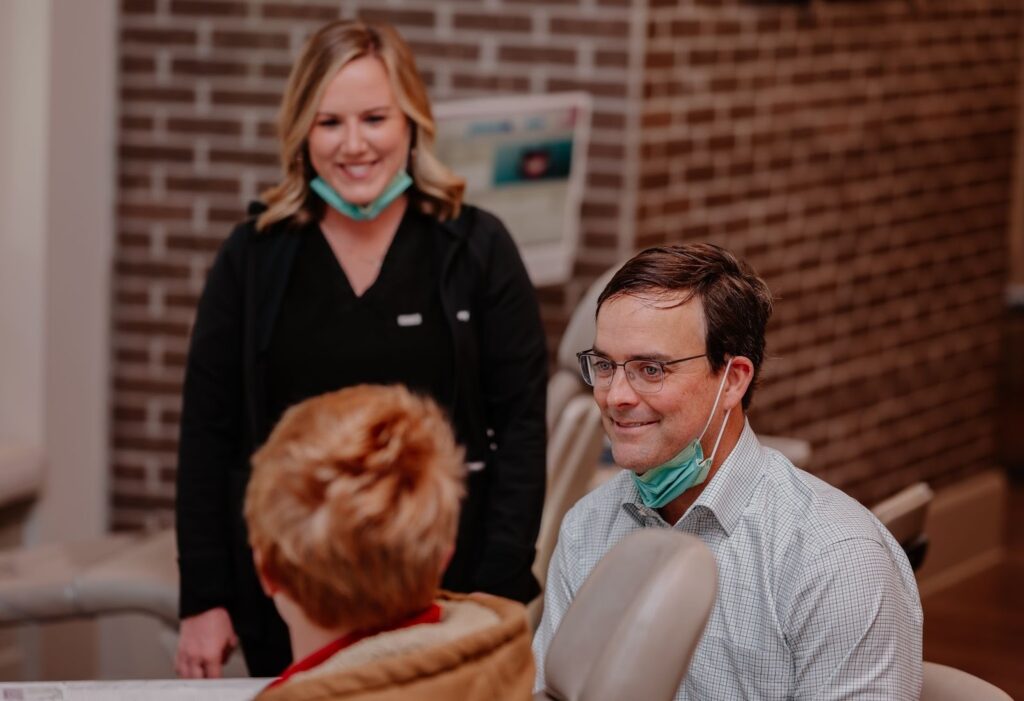
The first orthodontic visit is gentle, educational, and focused on getting to know your child’s smile. Dr. Durham’s team builds trust from the moment you arrive, ensuring every child feels seen and comfortable before anything clinical begins.
A Warm Welcome Goes a Long Way
When you walk in, you’ll be greeted by name. The team often takes a moment to explain the space: where the pictures are taken, how the scanning chair works, and what each area is for. Some kids are shy at first, but once they see how calm and kind the environment is, the tension starts to fade. Parents notice this change quickly: curiosity replaces hesitation.
The initial few minutes are often the most important. The staff might chat about school, sports, or favorite snacks.
Diagnostics & Evaluation
Once your child is comfortable, the team will take digital photos, X-rays, and possibly a quick scan. The technology is quiet, contact-free, and fast. A lot of the time, children really love seeing their own teeth appear instantly on screen, like a 3D movie starring their smile.
The appointment wraps up with a conversation. Dr. Durham explains whether treatment is needed now or later and walks you through what options might look like. Sometimes the best plan is “watch and wait,” returning every six to twelve months to track growth. Other times, early intervention makes sense. Either way, the decision is collaborative, guided by information rather than pressure.
Celebrate the Milestone
Your child’s first orthodontic appointment is a genuine milestone. Mark it in a small way, like ice cream on the way home, a photo with their new patient gift, or a sticker on the calendar. These gestures make the event feel like an achievement. When kids associate orthodontic care with encouragement and accomplishment, they carry that attitude into every future appointment.

Building Confidence from the First Visit
We’re grateful that you’ve taken the time to learn a little more about getting your child started with orthodontic care. Remember, first consultations at Durham Orthodontics are always free, and our Madison office is all about you and your family’s experience. We can’t wait to get started!